


Richard Lloyd, guitarist with New York’s cerebral rockers Television
Richard Lloyd, guitarist with New York’s cerebral rockers Television

Telegraph ObituariesMon, November 16, 2026 at 5:00 PM UTC
0
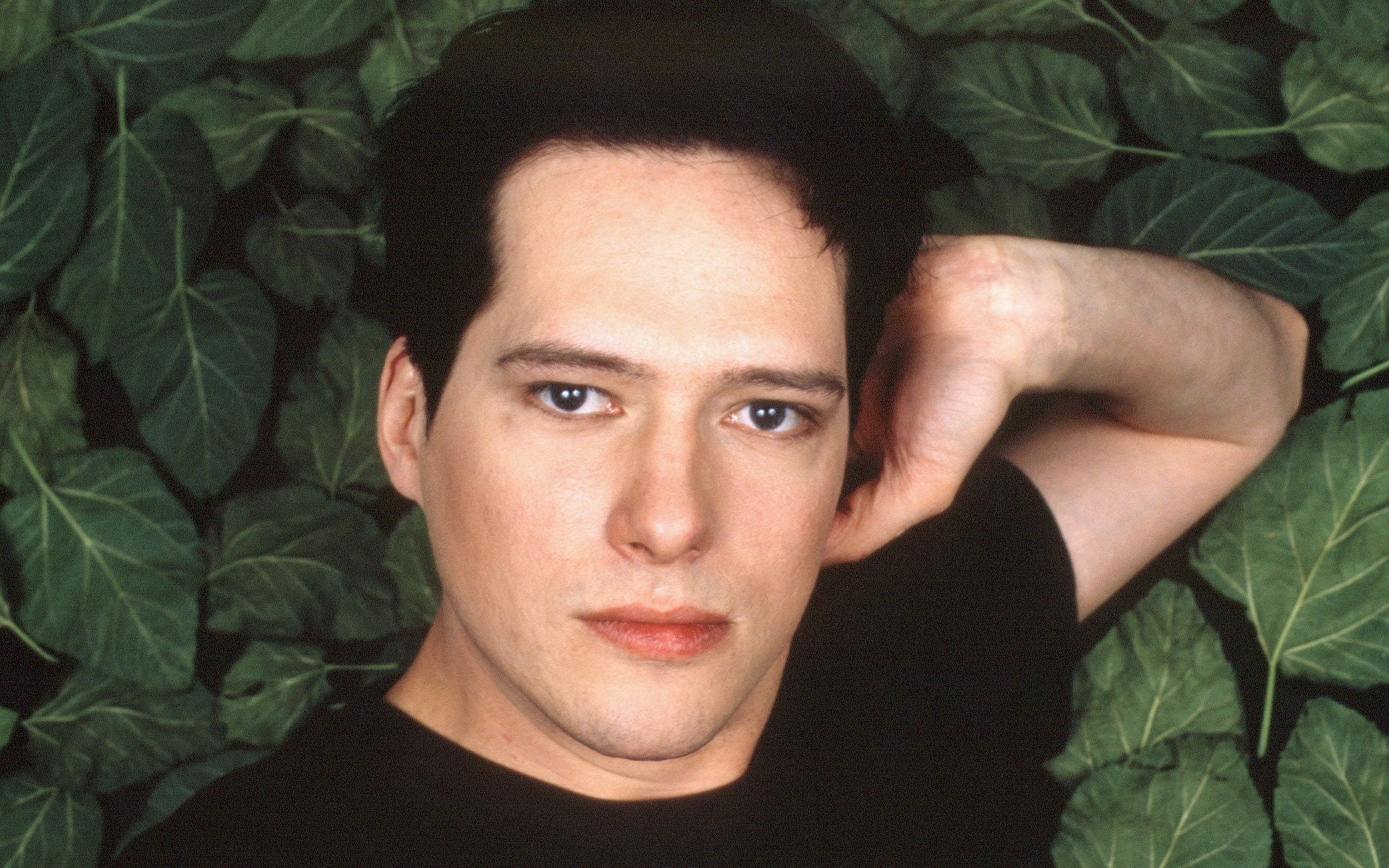
Richard Lloyd in 1985: that year he released a solo album after a battle with drink and drugs lasting several years - Karen Petersen/Everett/Shutterstock
Richard Lloyd, who has died of cancer aged 75, was a guitarist with Television, the New York band whose cerebral, spiky rock was adored by critics, even if record buyers were less enamoured; his thrilling interplay on guitar with Tom Verlaine helped put them at the vanguard of the 1970s scene that formed around the celebrated club, CBGB, and they exerted a profound influence on considerably more successful bands like U2 and REM.
While their ascendancy coincided with the rise of punk, their music was far from the three-chord thrash beloved of the Ramones and their ilk. While Television also dealt in riffs, the guitar lines twisting and coiling around them made the band unique. One critic at the time described them as “punk’s answer to the Grateful Dead”. Or as Lloyd put it in later life: “Television was out of place anywhere.”
He was born Richard John Alt in Pittsburgh on October 25 1951; his father, John Alt, sold watches in a strip club, while his mother Virginia, née Ewing, was a drinks waitress. They split up, and Virginia took their son to New York, where he grew up in Greenwich Village; she remarried, and young Richard took the name of his stepfather.
He first picked up a guitar aged seven, and was immediately mesmerised, though he also took drumming lessons. He attended Stuyvesant High School in Manhattan, but dropped out to chase his musical ambitions.
He described how he stopped taking books to school, and started taking his guitar instead. He would show it to his teachers and tell them: “This is the book I’m studying.”

Lloyd: ‘I was a lead player, and it took a great deal of coaxing from Tom to get me to play rhythm at all’ - Richard E Aaron/Redferns
He took lessons from a guitarist who had been taught by Jimi Hendrix. Meanwhile, two childhood friends from Delaware, Thomas Miller and Richard Meyers, by now calling themselves Tom Verlaine and Richard Hell, were working in a shop that sold film books and memorabilia, and Lloyd met them through the shop’s owner, Terry Ork, a Warhol acolyte.
They recruited Lloyd for their band, which also featured Billy Ficca on drums, and made their CBGB debut in 1974; they were instrumental in establishing it was the go-to punk/new wave venue on that side of the Atlantic.
The twin-guitar attack, and the tension arising from the fact that they both saw themselves as lead guitarists, made them stand out.
Advertisement

Television in 1977, l-r, Fred Smith, Tom Verlaine, Billy Ficca and Lloyd - Michael Putland/Getty Images
“I was a lead player, and it took a great deal of coaxing from Tom to get me to play rhythm at all,” Lloyd recalled. “He’d say stuff like: ‘Well, look at the Stones – Keith Richards just plays rhythm, and he’s the backbone.’”
They released a single, Little Johnny Jewel on their own label (named after Ork), but properly took off when they signed to Elektra and released Marquee Moon (by then Hell had departed, to be replaced on bass by Fred Smith). Marquee Moon missed out on the US top 200, though it did reach No 33 in the UK. Today it regularly makes Greatest Ever Album lists.
The follow-up, Adventure, again sold poorly at home while making the Top Ten here. The band undertook a successful UK tour, supported by Blondie, but in 1978, torn apart by Lloyd’s heroin addiction and amid festering friction between the two guitarists, they split up.
Lloyd released a disappointing solo album, Alchemy, toured briefly, then disappeared for a few years into a miasma of drugs and alcohol.
He resurfaced in the mid-1980s with a second solo album, Field of Fire. It was seen by many critics as too closely resembling Television, but in an interview to publicise it, Lloyd gave what amounted to his credo: “At its deepest roots rock is a celebration of the spirit,” he declared. “It is music of a pained heart. A pain that when you squeeze it comes out as joy.”
More solo albums followed over the years, and the occasional reunion with Television, including their 1992 self-titled album. Lloyd worked as a session musician, did production work and taught guitar. In 2018 he published a memoir, Everything Is Combustible.
He is survived by his wife Sheila and a son.
Richard Lloyd, born October 25 1951, died November 7 2026
Source: “AOL Entertainment”
