


U.S. Has Lost Its Measles Elimination Status: ‘Sad Thing for the U.S. and for the World’
U.S. Has Lost Its Measles Elimination Status: ‘Sad Thing for the U.S. and for the World’

Cara Lynn ShultzMon, November 16, 2026 at 1:39 PM UTC
12
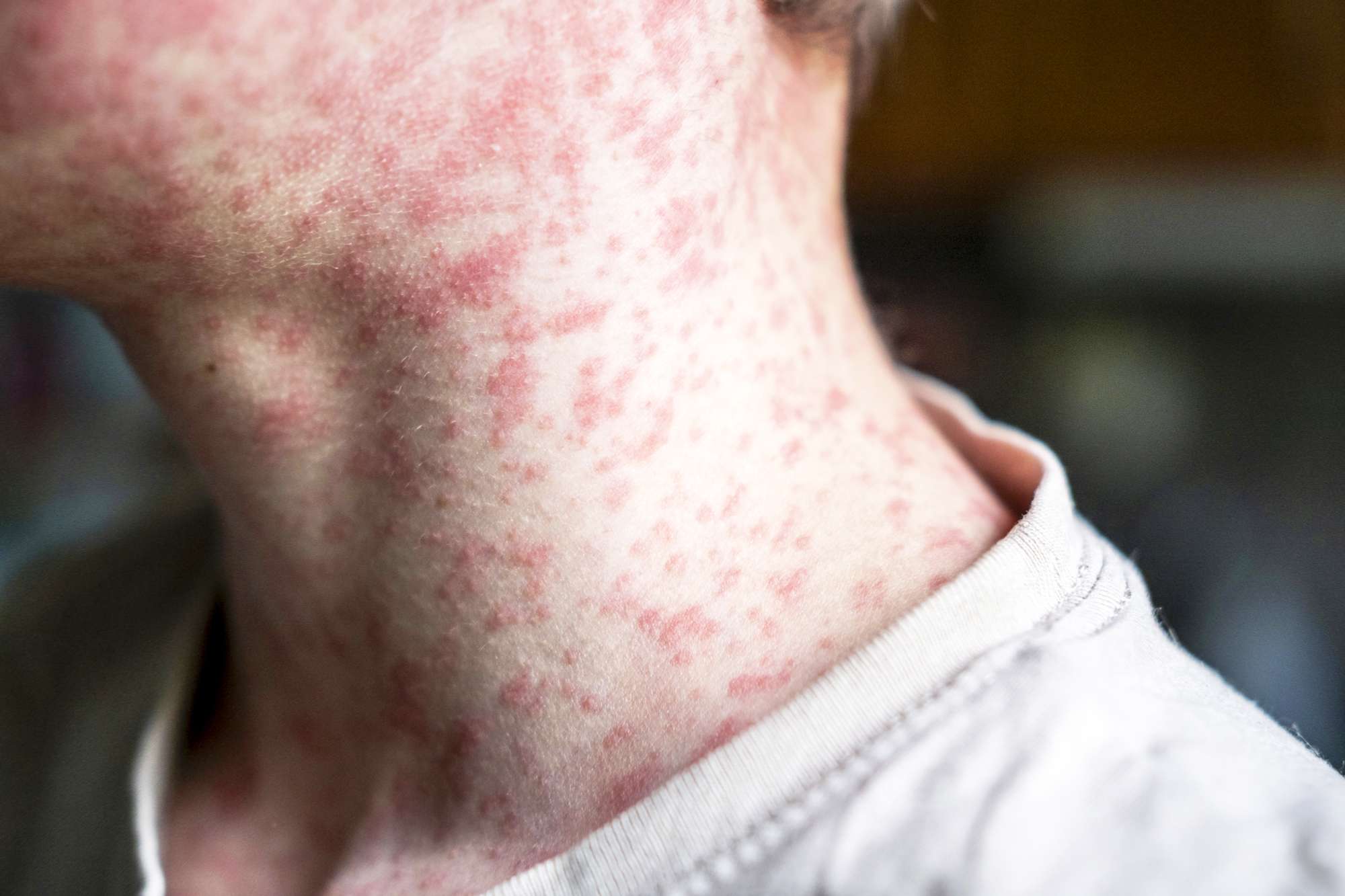
Stock image of a measles rashCredit: Natalya Maisheva/iStockphoto/Getty -
The Pan American Health Organization revoked the designation as U.S. measles cases surpassed 5,400 this year
The country had maintained measles elimination status since 2000 before recent outbreaks turned deadly
A pediatric infectious disease expert warns other vaccine-preventable illnesses could return without stronger public health action
The United States has officially been stripped of its measles elimination status, which it has held since 2000.
The Pan American Health Organization (PAHO) convened to remove the designation amid an ongoing, progressive rise in measles cases in the U.S., caused by declining rates of vaccinations. This year, there have been more than 5,400 measles cases reported, more than double the cases reported in 2025. In both years, the outbreaks turned deadly. For comparison, in 2024, there were just 285 cases.
Meanwhile, vaccine exemption rates hit an all-time high as parents opt out of vaccinating their children due to ongoing distrust in established medical practices and misinformation.
“It’s a sad thing for the U.S. and it’s a sad thing for the world,” Dr. Adam Ratner, a pediatric infectious diseases physician in New York City and the author of Booster Shots: The Urgent Lessons of Measles and the Uncertain Future of Children’s Health told PEOPLE. “People look to the U.S. as an example of things that can be done, and I think that for other countries, seeing the U.S. having maintained elimination status for so long, for more than 25 years, and then losing it, is disheartening.”
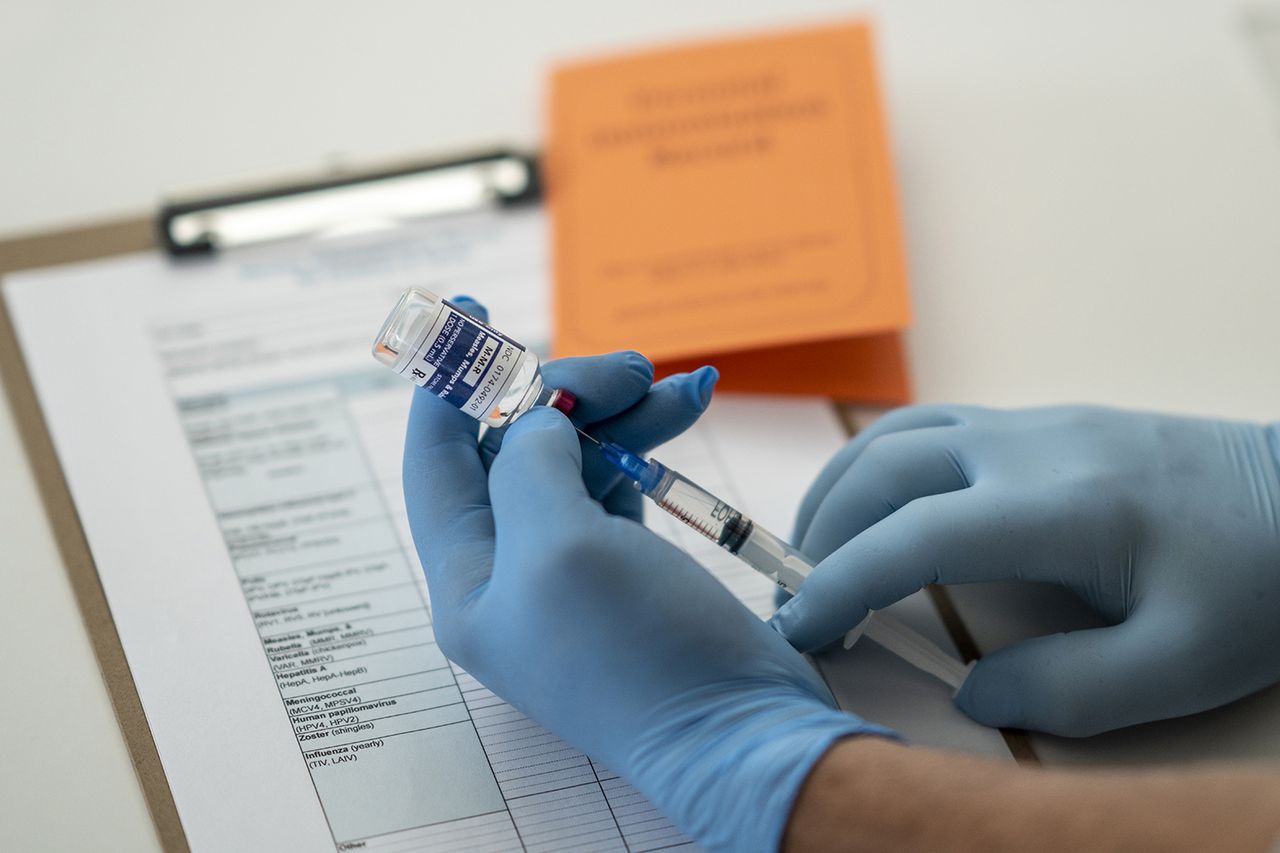
Stock image of a doctor preparing the measles vaccineCredit: Getty
Prior to the country losing its elimination status, U.S. Centers for Disease Control and Prevention director Dr. Erica Schwartz told Reuters that regardless of the outcome, “We’re going to be doing the same exact thing that we’ve been doing today, which is working with the state.”
But as Ratner tells PEOPLE, “What we need are clear messages from these CDC and from local public health departments,” pointing out that “those messages carry weight with people.”
Advertisement
“The loss of elimination status should be a pretty stark warning to us,” he says. “We need to focus much more intently, invest much more aggressively in controlling measles, because what’s being done now is not working.”
And Ratner warns, measles could simply be the first formerly scarce disease making a comeback as vaccine rates continue to fall — not just in specific communities, but across the U.S.
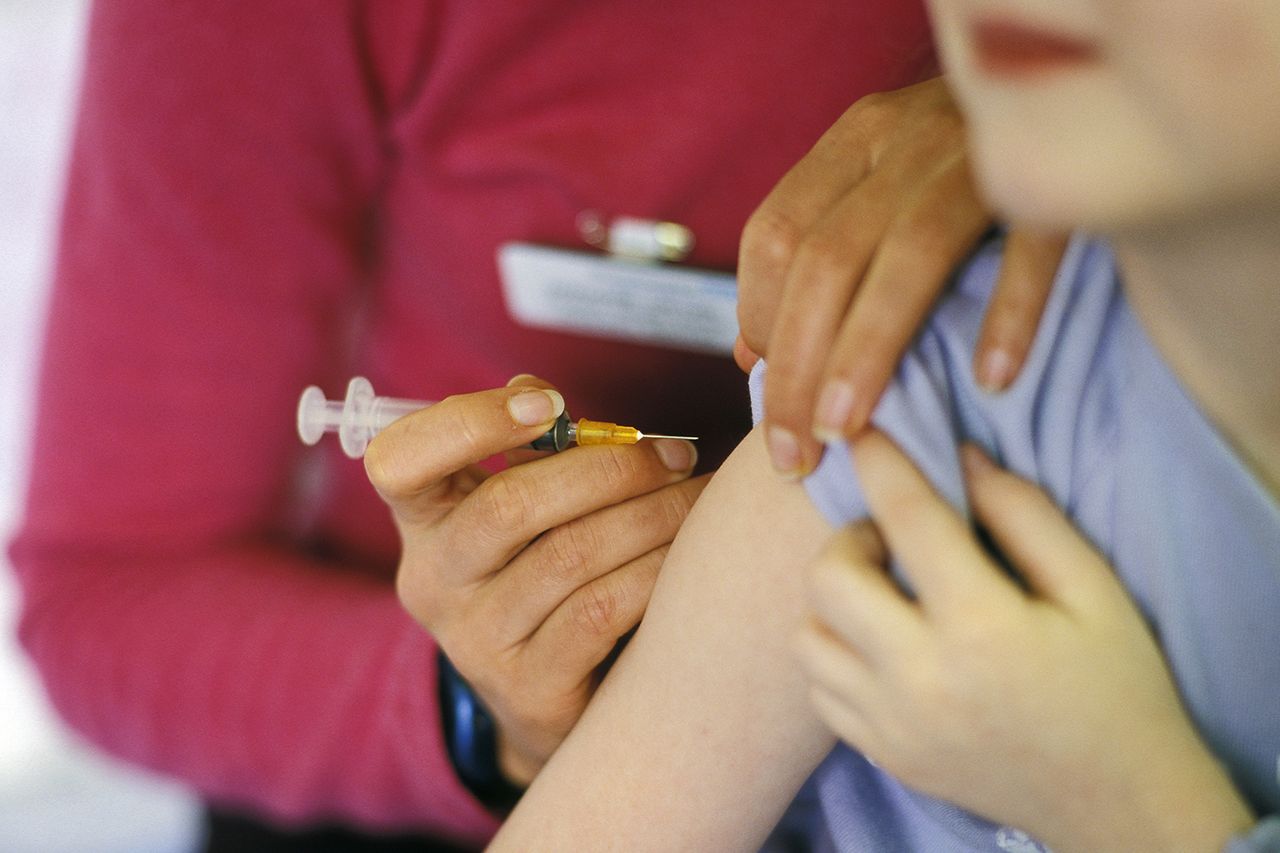
Stock image of a child receiving the MMR (mumps, measles, rubella) vaccinationCredit: Getty
“I worry a lot about pertussis, which is whooping cough, which is also very contagious — not as contagious as measles, but also vaccine preventable,” he says, adding that hemophilus influenza type B (HIB disease) and congenital rubella could return. “There are all sorts of things that we don’t think about day to day,” he says. “If you look back 100 years before there were vaccines, children used to die from diphtheria in childhood … There are so many things to worry about that we don’t know how to prevent yet, that we could be working on, but instead we’re fighting these battles that we’ve already won.”
And while right now, the measles deaths may seem negligible compared to the number of cases, they’re “real people who died of a preventable disease,“ Ratner says. As vaccination rates continue to drop and cases of measles surge, “we’re heading in a direction where the severe cases — the kids who need to be hospitalized, the kids who end up in intensive care units, and the occasional kids who die —are gonna be much more common than they were,” Ratner says.
“This is all optional. This is a path that we’ve chosen.”
on People
Source: “AOL Breaking”
